
Exploring coopetition strategies
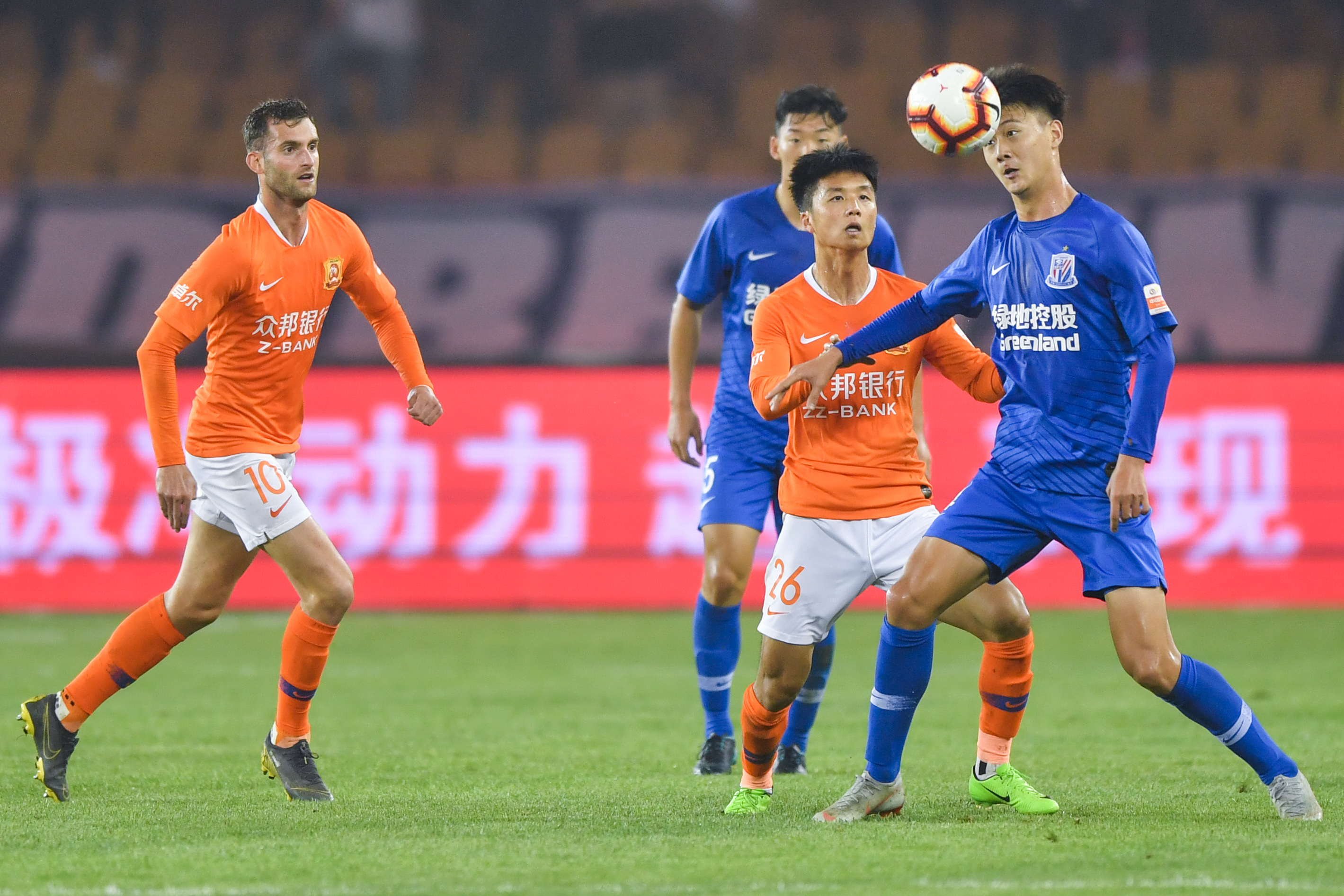
I’m thinking about a structured approach to cooperate while competing—co-opetition theory, joint ventures in supply chains, and retail partnerships. For instance, brands like Nike and Adidas share suppliers like Yue Yuen, which serves both. They also co-sponsor events within the sportswear market and participate in sales events like Double 11. They might not co-market often, but they do collaborate in industry groups like the Sustainable Apparel Coalition and coordinate on labor practices post-Rana Plaza.Clarifying operations and collaborations
I’m thinking about Rana Plaza, the garment factory tragedy in Bangladesh, and how sportswear brands like Adidas and Nike engaged in safety initiatives. I need to confirm if Nike actually joined the Bangladesh Accord and its relationship with organizations like the Fair Labor Association. Both companies collaborate with manufacturers in Vietnam and China, like Yue Yuen and Feng Tay. They also use direct-to-consumer platforms like Tmall and share retail spaces. Lastly, while they may not sponsor the same athletes at the same time, they do overlap in event sponsorship and collaborations within leagues like the NBA.Exploring coopetition in the industry
Currently, Nike is the NBA's official on-court apparel provider since 2017, while Adidas still sells some licensed products—but I can skip that detail for now. I’m thinking about “竞合” or coopetition and how to present this in a one-minute video script with compelling statistics.
I’ll provide a few examples, like how both Adidas and Nike share suppliers such as Yue Yuen and Feng Tay for production. They also use common sales channels, like Foot Locker, to increase their visibility together. Additionally, they utilize shared materials from suppliers like BASF and 3M and participate in industry coalitions like the Sustainable Apparel Coalition.Outlining coopetition in the industry
Adidas is a member of BCI, but I think Nike withdrew, so I should mention that both brands are part of various key industry organizations like the Sustainable Apparel Coalition and ZDHC instead. I need to avoid any suggestion of illegal collusion related to pricing. The goal is to show how they may compete for market share while collaborating for efficiency, expanding the athletic lifestyle category.
I’ll also create a quick outline for a script in Chinese, starting with a strong hook, then detailing their shared manufacturing, suppliers, channels, and industry standards, followed by a short video structure like highlighting factory lines and data visuals.
这句子很有劲。要点其实是:看似“水火不容”的耐克和阿迪,在价值链上处处同船——竞争份额,合作效率(典型的“竞合”)。
可以用这几个抓手把观点撑实:
- 共同代工:如裕元(宝成集团)等头部工厂同时给两家供货,产能可在同一园区甚至同线切换,淡旺季互补,稳定供应与成本。
- 共享上游:部分关键材料和化工供应商重叠(如BASF、3M、Gore‑Tex 等),规模带来议价与研发扩散效应。
- 共享渠道:Foot Locker、JD Sports、Dick’s 等全球零售商,以及天猫/京东/抖音/得物等平台,同场卖货一起放大类目 GMV。
- 共同标准与合规:同在行业组织里推动标准与减排(如 Sustainable Apparel Coalition/Higg、ZDHC、Fair Labor Association 等),摊薄合规成本、降低系统性风险。
- 品类教育外溢:赛事版权、头部球星、潮流联名的营销彼此“抬轿”,扩大运动休闲鞋服的总体盘子。
- 边界与合规:价格同盟/市场串通是红线;合作集中在非价格的上游、渠道与标准层面。
要不要我把这扩成:
- 60 秒短视频脚本(开场钩子+案例+反转金句)
- 图文长文大纲(3 层结构+数据点位清单)
- 社媒短帖/海报文案(3–5 条不同语气)
- 演讲/分享的要点页(每页标题+金句+配图建议)
直接回个数字,或给我目标平台与字数要求。